
The U.S. economy is experiencing a period of significant change, influenced by various domestic and international factors. Understanding these developments is crucial for communities like Brooklyn Center, Minnesota, as they navigate the implications on local businesses and households.
Job Market Fluctuations
Recent data indicates a downturn in the job market, with February witnessing a loss of 92,000 jobs. This decline follows a downward revision of previous months’ figures, highlighting a trend of enduring weakness. Notably, the unemployment rate for U.S.-born individuals has risen over the past year, suggesting that the anticipated benefits of immigration policies on employment have yet to materialize.
Rising Energy Costs
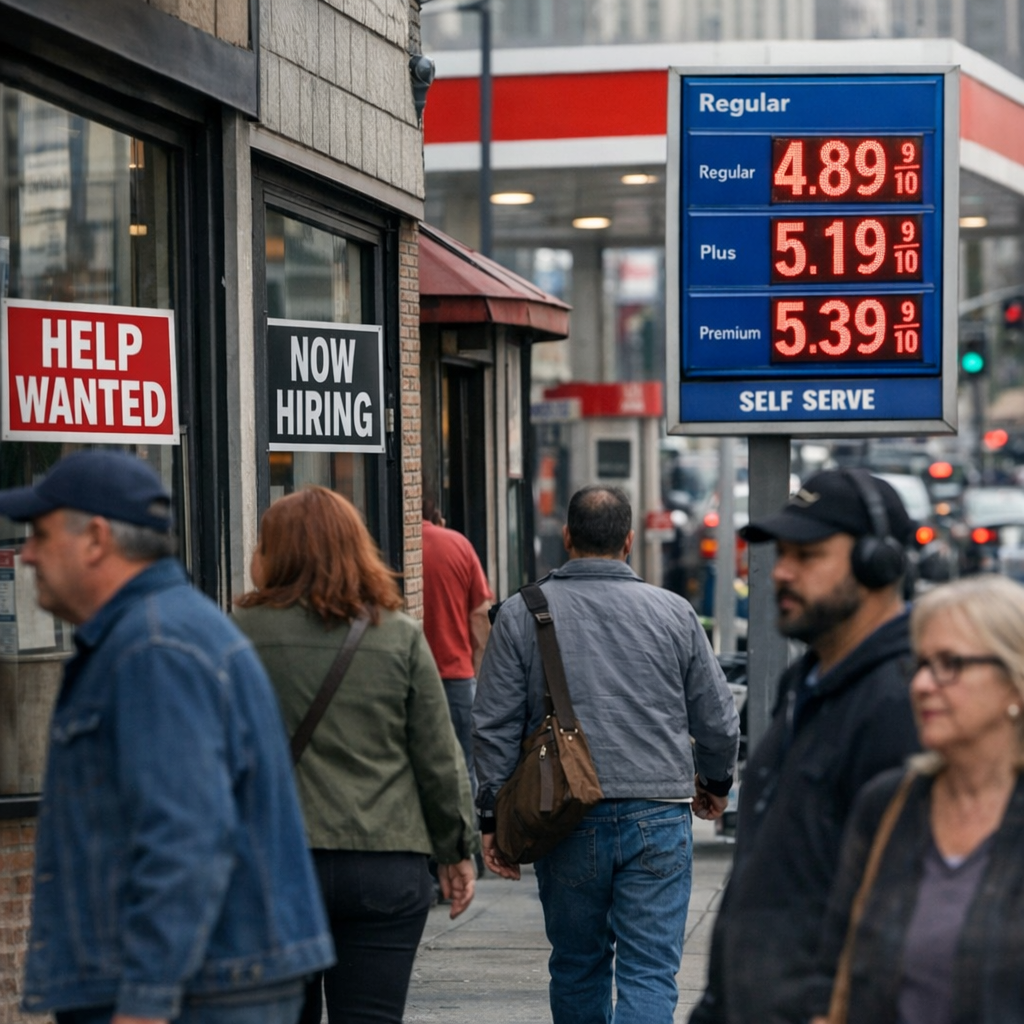
Gasoline prices have surged by 19% over the past month, reaching a national average of $3.45 per gallon. This increase is largely attributed to escalating conflicts in the Middle East, particularly the U.S. and Israel’s military actions in Iran. The resulting rise in oil prices has sparked concerns about potential inflationary pressures, with projections indicating inflation could reach 3% by year’s end if current trends persist.
Stock Market Volatility
The stock market has also experienced fluctuations, with the Dow Jones Industrial Average dropping 5% over the past month. While stocks have generally risen during the current administration, recent declines serve as a cautionary signal, especially as the administration encourages broader public investment in the stock market.
Productivity and Wage Disparities
On a positive note, labor productivity increased by 2.8% in the last quarter. However, this growth has not translated into higher wages for workers, as labor’s share of income has fallen to record lows. This disparity raises concerns about the equitable distribution of economic gains.
Economic Growth Comparisons
Comparing recent economic performance, the U.S. economy grew at a 2.8% pace during the previous administration’s final year, compared to 2.2% in the current administration’s first year. While inflation rates have remained steady at 2.6%, the current administration has yet to deliver stronger growth or increased hiring.
As these national economic trends unfold, it’s essential for local communities to stay informed and consider their potential impacts on the local economy and daily life.