
The U.S. economy is currently experiencing a mix of growth and challenges. Recent data indicates a modest expansion, with the International Monetary Fund projecting a 2.4% growth in GDP for the fourth quarter of 2026, up from 2.2% the previous year. Unemployment rates are also expected to decline from 4.5% in late 2025 to 4.1% in 2026.
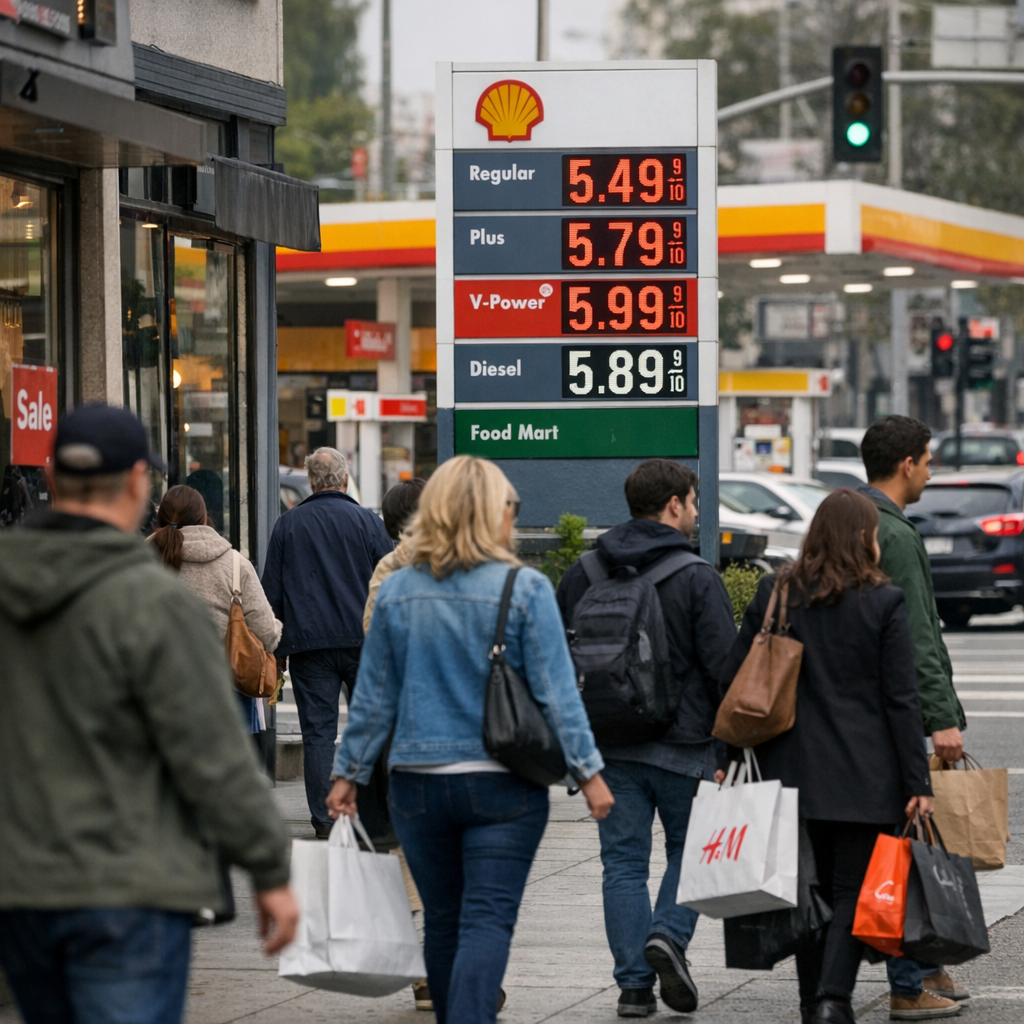
However, inflation remains a concern. Gasoline prices have risen by 50% since the onset of the Iran War, significantly impacting consumers. Lower-income Americans are particularly affected, as they are using less gas but still facing the brunt of these price hikes.
In response to these economic conditions, the Federal Reserve has made adjustments to interest rates. After three rate cuts in 2025, the benchmark interest rate currently stands at 3.6%, with potential for further reductions if the job market deteriorates.
Political factors also play a role in the economic landscape. A Gallup poll reveals that about one-third of Americans view politics and government as the nation’s most pressing issues, reflecting concerns about political stability and governance.
As the economy navigates these complexities, it’s crucial for policymakers and citizens to stay informed and engaged to foster a stable and prosperous future.